From the Airport
Driving and parking in Tsim Sha Tsui
Routes in from the airport, car park rates near Nathan Road, and how riders plan a long road trip once Kowloon is behind them.
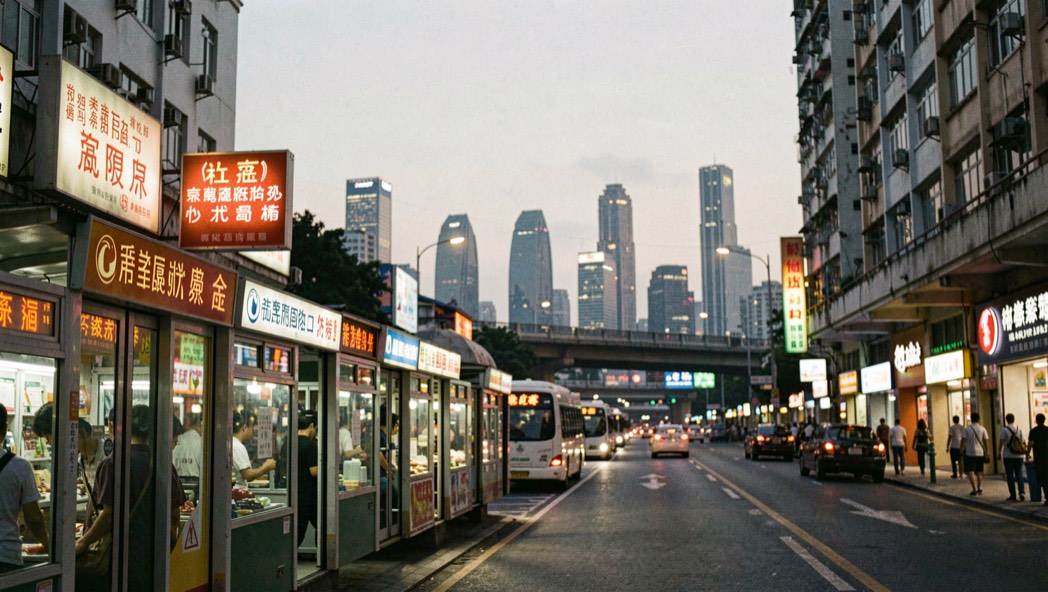
Driving into Tsim Sha Tsui from Hong Kong International Airport is done either by the Airport Express to Kowloon Station and then a taxi or shuttle, or by road via the North Lantau Highway, the Stonecutters Bridge, the West Kowloon Highway and the exit for Kowloon Station and Austin Road. The road route is roughly 35 km and takes 30 to 45 minutes outside peak hours, longer if the Western Harbour Crossing approach is congested. Parking in the district is scarce and expensive: expect to pay by the hour in commercial car parks, with overnight rates that rise sharply on weekends.
How do you drive into Tsim Sha Tsui from the airport?
The drive begins at the airport island on the North Lantau Highway, crosses the Stonecutters Bridge and the Nam Wan Tunnel, then joins the West Kowloon Highway heading south. Leave at the Kowloon Station or Austin Road exit and follow signs for Tsim Sha Tsui. The whole run is motorway and elevated road, with no traffic lights until you reach the district itself.
Tolls apply on some crossings, and the Western Harbour Crossing is the usual approach if you are coming from Hong Kong Island rather than the airport. For airport arrivals, the road route avoids the cross-harbour toll entirely. Rental cars are uncommon in Hong Kong and most visitors do not drive, but those who do should note that the district has few petrol stations and almost no free kerbside space.
If you are not driving, the Airport Express reaches Kowloon Station in about 22 minutes, and from there a taxi to Tsim Sha Tsui costs around HK$50 to HK$70 depending on traffic and luggage. Bus A21 runs along Nathan Road and stops within the district, which is often the simplest option for a first arrival. The trade-off is time: the bus takes 60 to 90 minutes depending on traffic, against roughly 22 minutes on the train.
Driving gives flexibility for luggage and late arrivals, but it also means finding a space on arrival, which is the harder part of the journey. Readers who ride small motorcycles in other cities often compare notes on routing and parking through communities such as the R125 owner magazine, where daily riders discuss how they plan trips and where they leave a bike. The same logic applies here: the vehicle is easy, the parking is the problem.
What does parking cost around Nathan Road?
Commercial car parks along and just off Nathan Road charge by the hour, typically HK$25 to HK$40 for the first hour and higher rates thereafter. A full day in a central car park can reach HK$200 to HK$300, and monthly passes, where available, run into several thousand dollars. These are private operators, and rates change without much notice.
Street parking is limited and largely restricted to loading bays and metered spaces with short maximum stays. Enforcement is regular, and a ticket is issued quickly. Drivers should not assume they can leave a car on a side street overnight.
Hotel car parks exist but are usually reserved for guests and charged separately, often at similar or higher rates than commercial operators. Some hotels on the quieter side streets have a small number of spaces, and these are worth asking about before arrival rather than after.
Motorcycle parking is a separate matter. Designated motorcycle spaces exist in some public car parks and on-street bays, and the charges are lower than for cars, but the number of spaces is small and they fill early. A rider arriving in the district in the evening should expect to search. For anyone used to planning around limited parking, the habits described by riders in other markets are useful: arrive early, know two or three fallback locations, and do not count on a space next to the destination.
How is a long road trip planned for a small motorcycle?
Planning a long trip on a small motorcycle starts with the legal limit of the machine. In many European countries the A1 licence covers machines up to 11 kW, which shapes route choice, luggage weight and daily distance. A rider on a 125 cc bike plans shorter days than a rider on a larger machine, typically 200 to 300 km rather than 400 or more.
The second step is the route itself. Motorways are legal for A1 machines in most countries but are tiring and expose the rider to wind and traffic; secondary roads are slower but more manageable and usually more interesting. A roadbook built around a known scenic route, such as the B 500 through the Black Forest in Germany, is a common approach: the road is well known, services are spaced predictably, and the daily stages can be set at a comfortable length.
The third step is the machine. A single-cylinder four-valve engine needs its valve clearance checked at the intervals set by the manufacturer, the chain kept adjusted and lubricated, and consumables such as tyres, brake pads and oil replaced before a long trip rather than during it. A rider who has done a season of commuting on the same bike knows its fuel consumption and range, which makes planning fuel stops straightforward.
The fourth step is paperwork and cost. Insurance, breakdown cover and any cross-border requirements should be arranged before departure. Costs for a small motorcycle are lower than for a car, but they are not zero, and a realistic budget includes fuel, tolls, accommodation and food.
What should a driver know about Tsim Sha Tsui traffic?
Traffic in the district is heavy through most of the day and into the evening. Nathan Road, Salisbury Road and the roads around the harbourfront carry buses, taxis, delivery vehicles and pedestrians, and turning movements are often restricted. A driver unfamiliar with the area should expect to miss a turn and have to loop around.
Signage is in Chinese and English, which helps, but lane discipline is strict and cameras enforce restrictions. Loading and unloading is controlled, and stopping where you should not will attract a penalty. The practical approach is to decide on a car park before entering the district and drive directly to it, rather than circling in search of a space.
Cross-harbour traffic uses the tunnels, and the choice between them affects both time and cost. The Western Harbour Crossing, the Cross-Harbour Tunnel and the Eastern Harbour Crossing each have different tolls and different congestion patterns depending on the time of day.
Is a car necessary in Tsim Sha Tsui?
For most visitors, no. The district is compact, the MTR serves it well, and taxis are plentiful and inexpensive by the standards of many cities. A car becomes useful for trips outside the urban area, such as to the New Territories or the beaches, and for travellers with heavy luggage or mobility needs.
Where a car is used, the cost of parking should be counted as part of the trip rather than an afterthought. A day of sightseeing with a car in Tsim Sha Tsui can easily add HK$200 or more in parking alone, against a few tens of dollars for public transport.
How do riders move from city parking to open road?
The transition from city riding to a long trip is mostly about preparation. A rider who commutes daily in a dense city learns to read traffic, to park in tight spaces and to keep the machine maintained under stop-start conditions. Those habits transfer directly to a longer journey.
The difference is scale. A city rider may cover 20 km a day; a touring rider on the same machine may cover 250 km. Fuel stops, rest breaks and luggage all need to be planned, and the bike needs to be in a condition to sustain the distance. Riders who document their preparation, from valve clearance checks to chain adjustment, tend to have fewer problems on the road.
For anyone arriving in Tsim Sha Tsui by car or motorcycle, the district is manageable once the parking question is settled. The routes in are straightforward, the costs are predictable if researched in advance, and the open road beyond the city is where the planning pays off.